 HNK Rijeka Hub
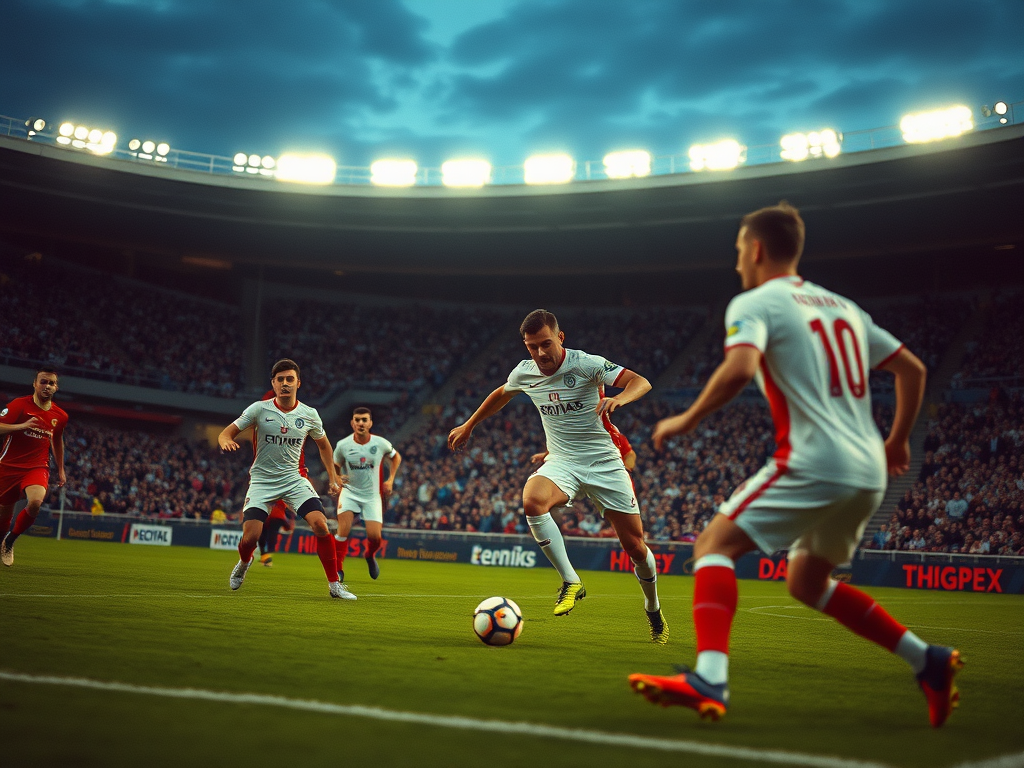
In recent matches, HNK Rijeka has displayed inconsistent form, resulting in a mix of wins and losses. Analyzing their performances reveals several key elements that could be improved to ensure better outcomes on the pitch.
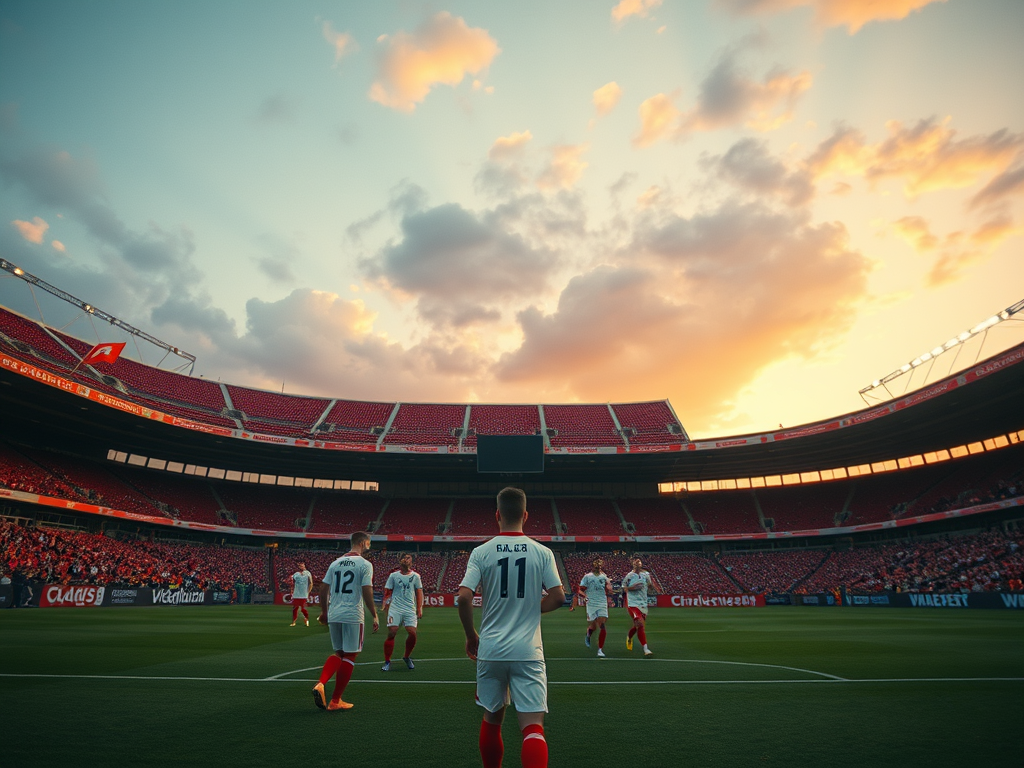
Firstly, Rijeka's midfield often struggles with game control. While players like A. Barco and S. Cletus have shown quality, there are times when connectivity between midfield and attack is lacking. It may be advisable to consider a formation change to 4-2-3-1, allowing D. Legbo to play as an attacking midfielder, while A. Barco and S. Cletus could take on creative roles. This adjustment could enhance control of the midfield and create more space for attackers.
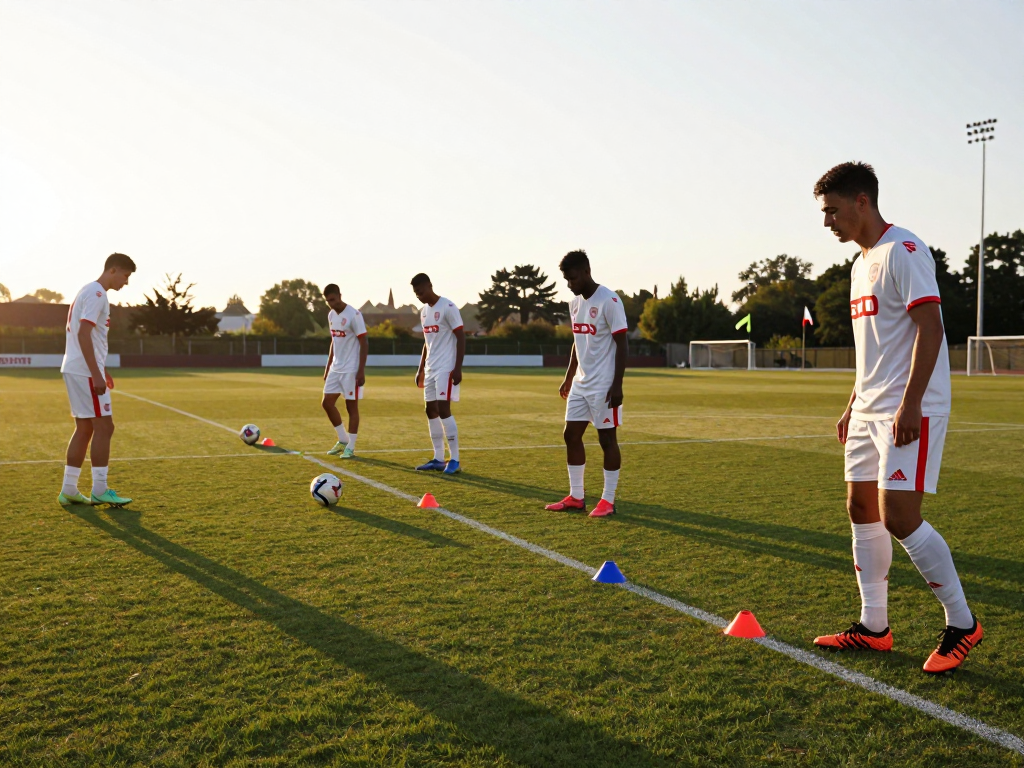
Additionally, Rijeka should work on quicker transitions from defense to attack. Currently, players tend to rely on overly long passes, leading to possession loss. By implementing faster and more direct passing, especially on the flanks, players like S. Vignato could leverage their speed to create more goal-scoring opportunities.
The defense is another area that requires attention. Although players like N. Bodetić are stable, Rijeka often faces challenges in one-on-one situations, resulting in unnecessary fouls. Enhancing communication among defenders and implementing a tactical approach that includes 'zonal marking' could alleviate pressure on goalkeeper Josip Jurčević.
Finally, it's essential for Rijeka to maintain mental resilience. At times, when results do not align with expectations, the team appears frustrated. Introducing psychological training and focusing on team cohesion could help players stay focused and motivated throughout the match.
In combination, these tactical adjustments could significantly enhance HNK Rijeka's overall play, enabling the Bijeli to compete for higher placements in the HNL and secure a better position ahead of upcoming challenges.