 HNK Rijeka Hub
Introduction
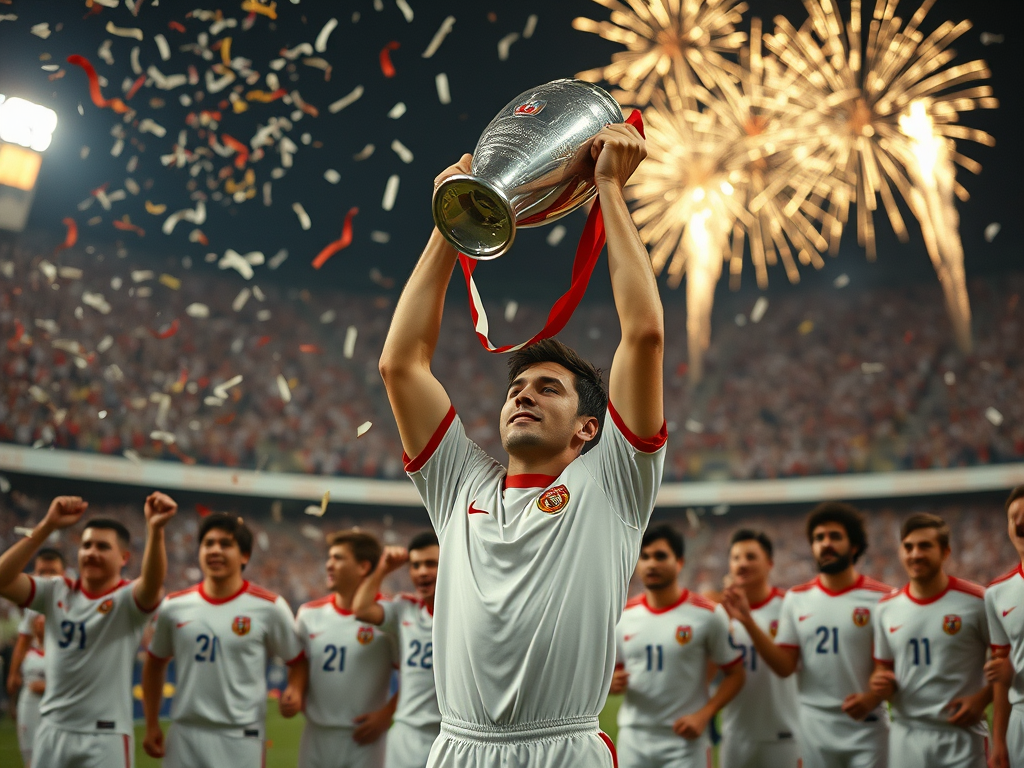
The fan culture of HNK Rijeka, proudly known as Bijeli, has always been the heart of the club and its successes. With passionate support, impressive choreographies, and rituals, Rijeka stands out as one of the most fervent football cities in Croatia. This culture not only enhances the atmosphere in the stadium but also fosters strong connections among fans and with the city itself.
Traditions and Rituals
One of the most significant rituals accompanying every home match is the gathering in front of the stadium, where fans huddle in groups, sharing stories and singing chants. This moment of togetherness creates a special energy that transfers to the players as they step onto the pitch. During derbies against GNK Dinamo, the atmosphere is particularly tense, with fans preparing months in advance, planning choreographies and songs to perform.
The Derby Against Dinamo
The derby with Dinamo Zagreb is one of the most anticipated events of the season. HNK Rijeka's stadium becomes a battleground of passion, where every breath and shout of the fans can be felt. The Bijeli proudly don their iconic white shirts, and the choreographies they create are always spectacular. Banners, smoke bombs, and transparent displays give a unique touch to this encounter, and every goal triggers an eruptive reaction that can be heard far beyond the stadium.
Singing Culture
HNK Rijeka fans are known for their unique songs that are passed down from generation to generation. These songs not only support the team but also tell stories about the city, its history, and culture. During matches, they collectively sing the old anthem “Vjerujemo u te,” which has become a symbol of hope and loyalty. This singing tradition creates a sense of belonging and unity among everyone present at the stadium.
Togetherness and Community
HNK Rijeka is not just a football club; it is a symbol of community. Fans often gather not only at matches but also outside the stadium, organizing various actions and events that help the local community. These activities further strengthen bonds among fans, and the atmosphere in the city becomes even more vibrant when the Bijeli are playing.
Conclusion
The fan culture of HNK Rijeka represents the heart and soul of the club. Traditions, rituals, and the passion of the fans not only enrich the atmosphere in the stadium but also create unforgettable memories that will last for generations. As the Bijeli fight for victories on the pitch, their community remains firmly united, keeping the spirit of Rijeka alive and strong.