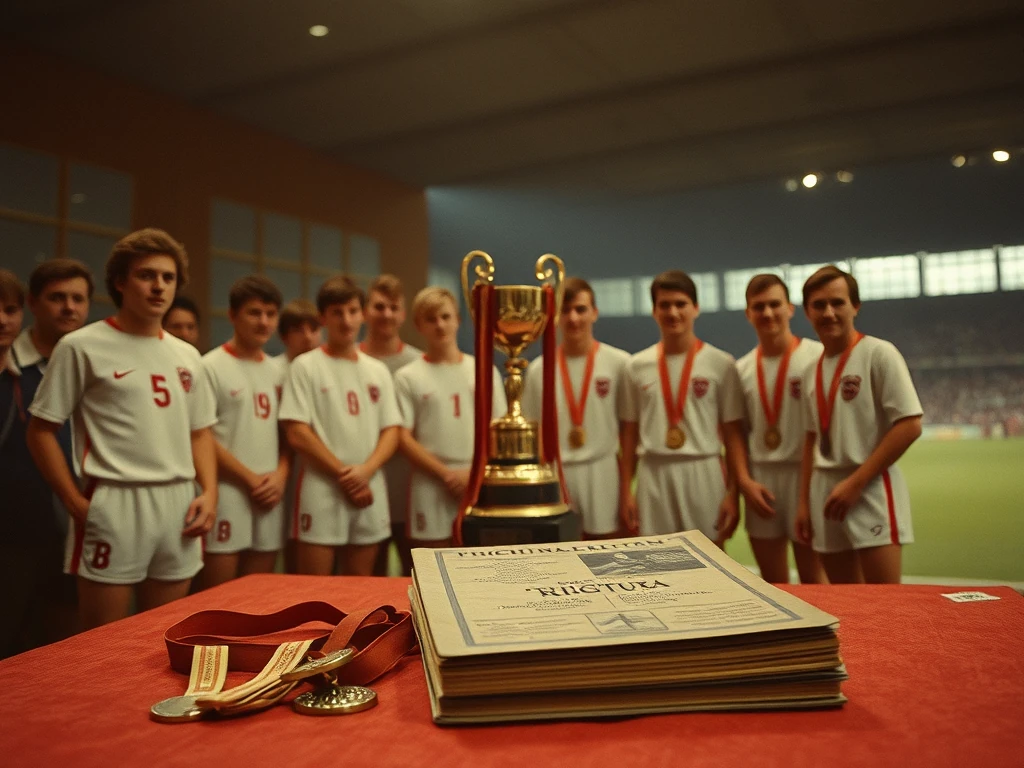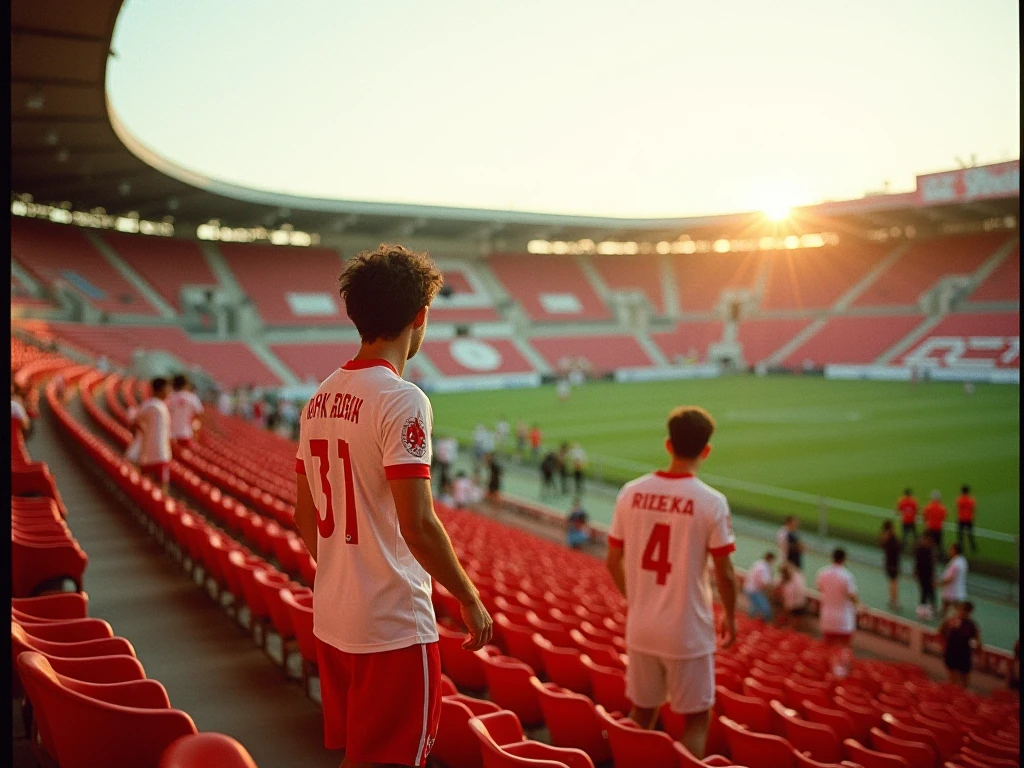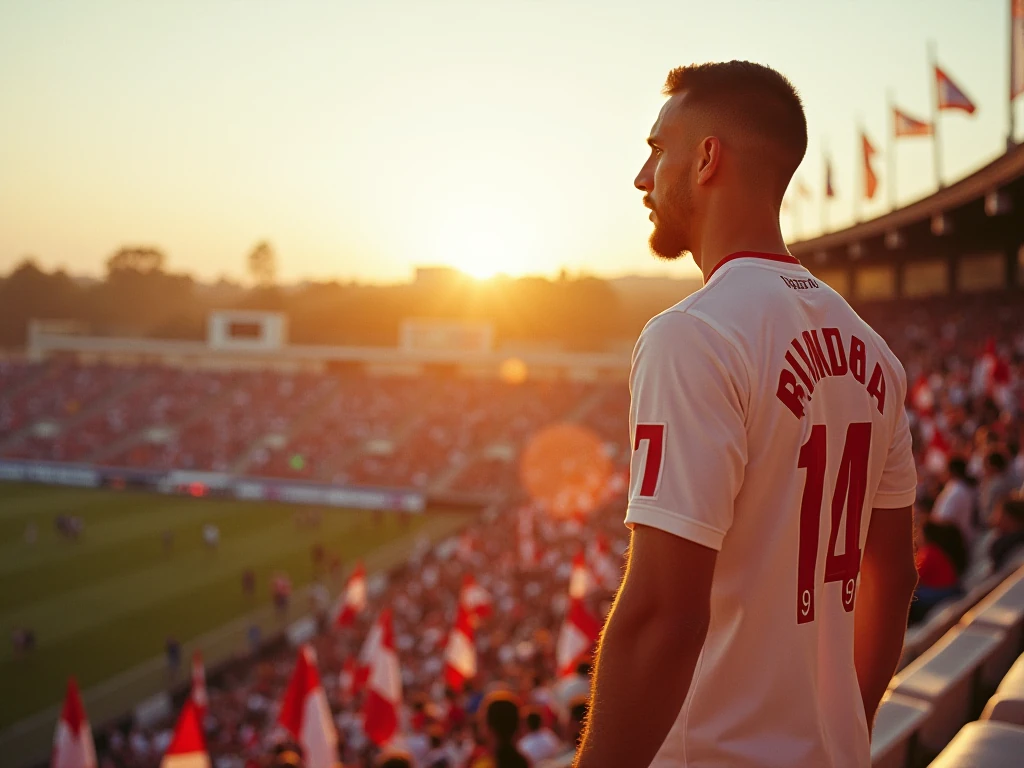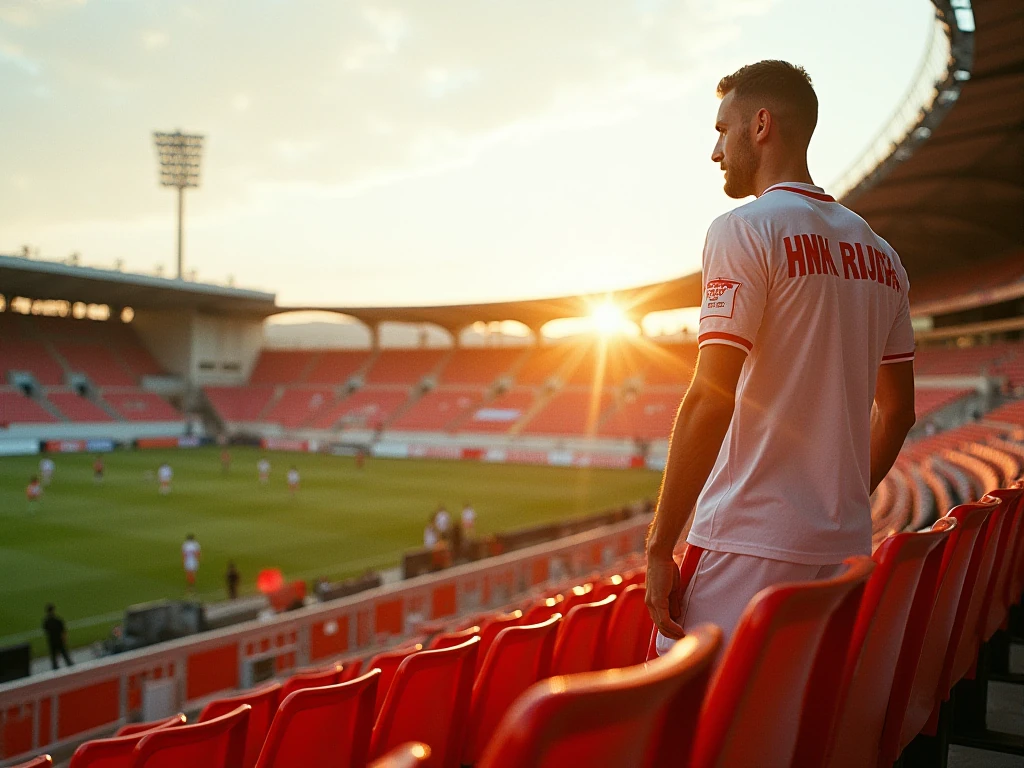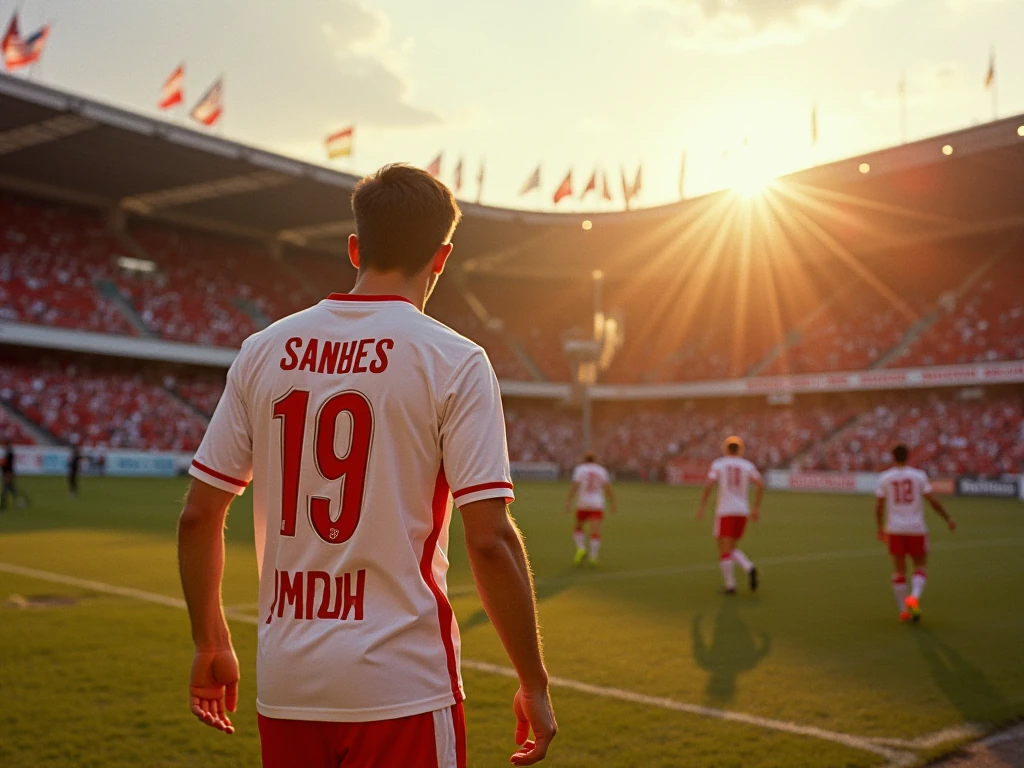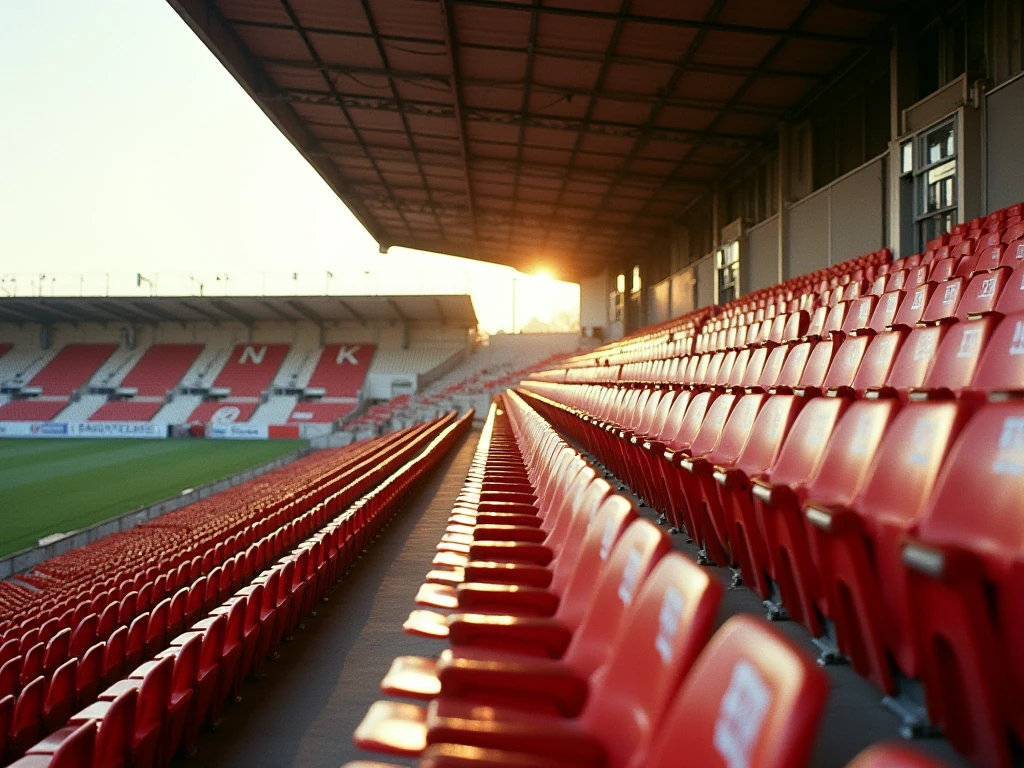
HNK Rijeka, known as Bijeli, is not only a football club; it is a symbol of community, tradition, and passion that is passed down from generation to generation. The HNK Rijeka stadium, the heart of these emotions, becomes a gathering place for numerous fans who come together for every match to show their support and love for the club.
One of the most important aspects of Bijeli's fan culture is the ritual of preparing for the match. On match day, fans often start gathering in nearby cafes, where stories, predictions, and songs are exchanged. These communal preparations create a sense of unity that continues in the stadium. Once everyone is gathered, the fan procession heads towards the stadium, and their passion and energy grow stronger. At that moment, Rijeka breathes football.
The atmosphere in the stadium during derbies, especially against main rivals GNK Dinamo Zagreb, reaches a peak. Bijeli fans are known for their choreographies, which include everything from huge banners to fireworks, and every time the players step onto the pitch, the stadium is filled not only with the sound of songs but also with a sea of white jerseys. These choreographies are not only a visual spectacle; they express the identity and unity among fans, and the experience is further amplified when the excitement and energy created are transferred to the players.
In addition to choreographies, fans known as Armada also have their songs that are sung during matches. These songs, often based on local legends or the club's history, further strengthen the sense of belonging and passion. When the Armada starts singing, everyone in the stadium, even those who are not members of the group, joins in. This creates a unique sense of togetherness that is hard to describe in words.
Rituals do not stop even after the match. Regardless of the outcome, fans often gather on the streets of Rijeka, celebrating victories or comforting each other after defeats. This tradition lays the foundation for the next match, with hopes and expectations that are continuously passed down from generation to generation.
the fan culture of HNK Rijeka is not only about football; it is about community, identity, and a passionate love for the club. Every time the Bijeli play, the stadium becomes a sanctuary where every song, choreography, and ritual comes together as one. This is how history is built, and this is how the future of the club will be created, forever remaining in the hearts of Rijeka.