Introduction
HNK Rijeka, known as the Whites, has recently shown fluctuations in form, resulting in inconsistent outcomes on the pitch. While some aspects of their play have been encouraging, the lack of consistency and a recognizable style of play have become apparent. By analyzing their current tactical setups, we can identify several key areas for optimization.
Current Formation and Its Weaknesses
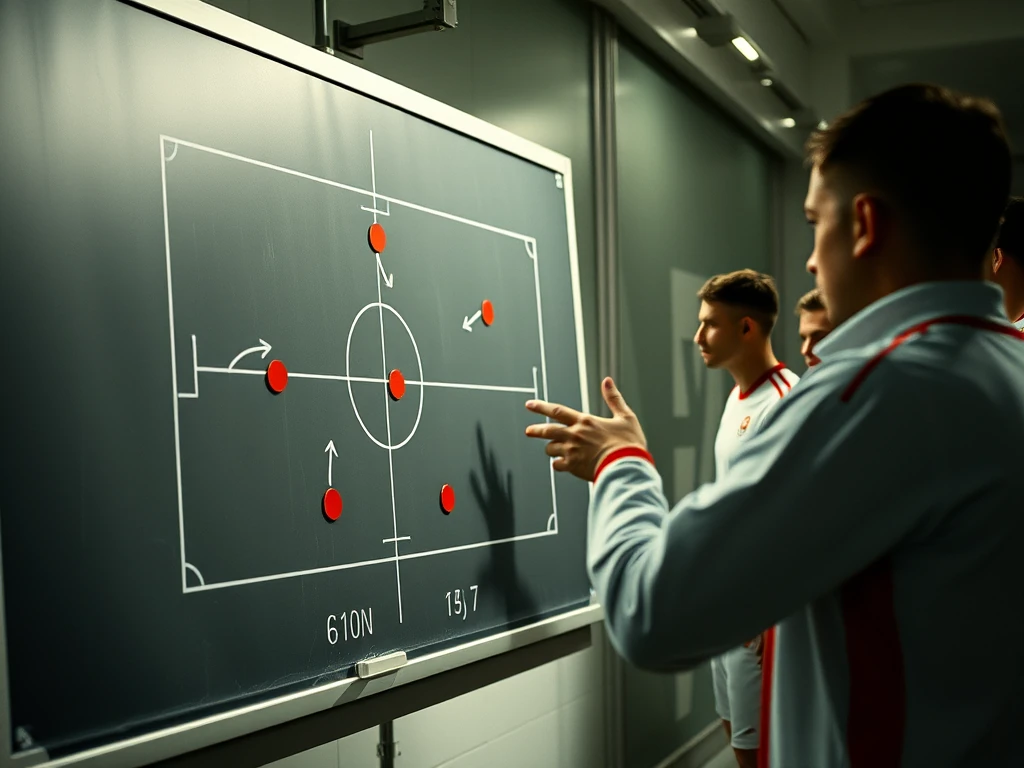
Rijeka has predominantly played in a 4-2-3-1 formation this season, which has allowed for midfield control but has also proven to be a double-edged sword. While the midfield has often been congested, players have struggled with transitioning forward. Therefore, switching to a 4-3-3 could be a beneficial option. This formation would not only allow for greater width but also encourage faster attacks, use wingers to create opportunities.
Increased Role of Wingers
In the 4-2-3-1 formation, wingers often took on defensive responsibilities, which diminished their effectiveness in attack. Transitioning to a 4-3-3 allows them to focus more on offensive actions and take greater responsibility for creating chances. With players like Dominik Thaqi, who excels in speed and dribbling, Rijeka could exploit their skills on the flanks to apply additional pressure on the opponent's defense.
Increasing the Number of Midfield Players
One of the key advantages of the 4-3-3 formation is the ability to include an additional midfielder, which could help in controlling the game. This setup allows players greater freedom in attack while still providing stability in defense. By integrating young players like Luka Capan, Rijeka can inject freshness and energy, potentially resulting in better ball possession and fewer turnovers.
Defensive Line and Communication
Due to frequent changes in the defensive line, Rijeka has often looked insecure. Introducing a more stable pair of center-backs, such as Veljko Simić and Mateo Pavlović, could improve communication among players and create a firmer defensive structure. Also, enhanced coordination between full-backs and midfielders will help prevent quick counter-attacks from opponents.
Conclusion
HNK Rijeka has the potential to improve its results through changes in formation and tactics. Transitioning to a 4-3-3 could create opportunities for a stronger offense, while improved communication in defense may bring stability. These changes, along with the right approach and work with players, could be key to the Whites' success as the season progresses.