 HNK Rijeka Hub
In recent matches, HNK Rijeka has struggled to control the midfield, resulting in a weaker attack and increased pressure on the defense. During the analysis, we identified several key areas where adjustments could be made to enhance the Whites' game.
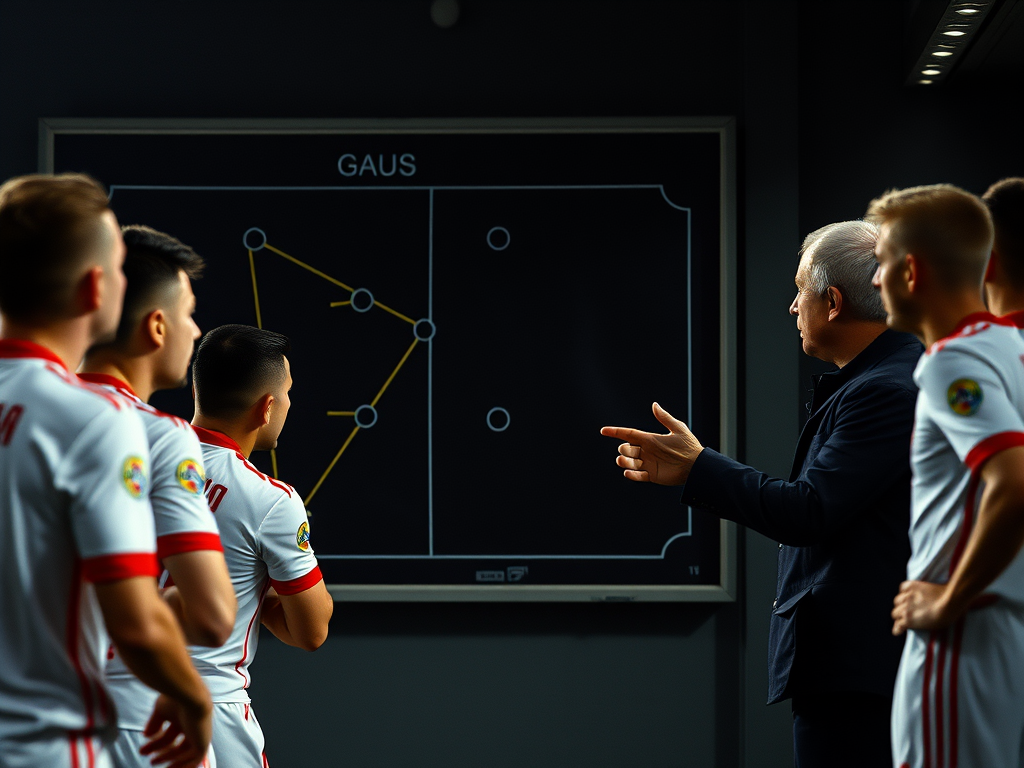
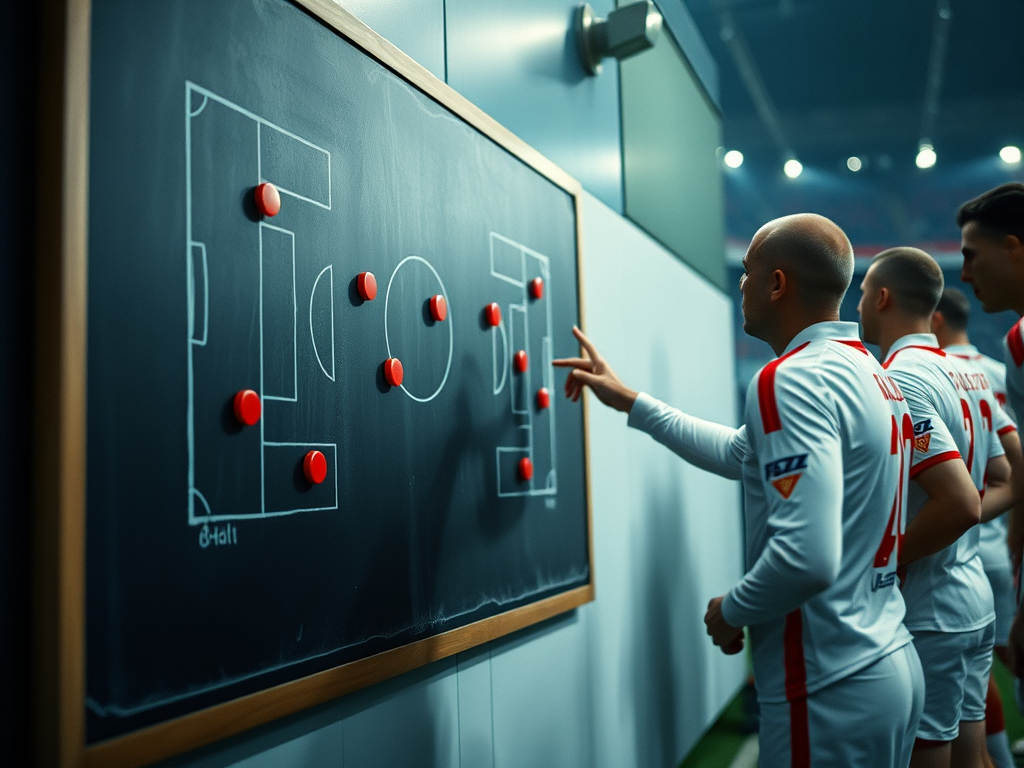
Firstly, one of the main issues is the lack of connectivity between midfielders and forwards. Often, attackers like Vuk and Kovač find themselves isolated as the midfield fails to create enough space for them. We recommend implementing a 4-2-3-1 formation that would provide additional support to the attack. This formation ensures two holding midfielders maintain balance, while the attacking midfielder can freely push forward and connect with the forwards.
Additionally, Rijeka needs to work on transitioning more quickly from defense to attack. Players should be trained for quick passes and movements to exploit spaces left by opponents. Introducing faster and more creative midfielders could create more goal-scoring opportunities and reduce pressure on the defense.
Furthermore, Rijeka could experiment with player rotation in midfield to maintain freshness and dynamism. For instance, introducing young players like Jaković and Šporer at key moments could bring new energy and unpredictability to the game, potentially confusing opposing defenses.
Finally, it is crucial to focus on the individual skills of midfielders, particularly in dribbling and passing. In moments when Rijeka faces compact defenses, a midfielder's ability to dribble past opponents and create space is vital. Training sessions should include more drills aimed at improving these skills.
In conclusion, HNK Rijeka has the potential to improve its midfield play through tactical adjustments and player development. With strategic changes and a focus on individual skill enhancement, the Whites could become more competitive in the HNL and create more goal-scoring opportunities.